





What Is Cognitive Behavioral Therapy?
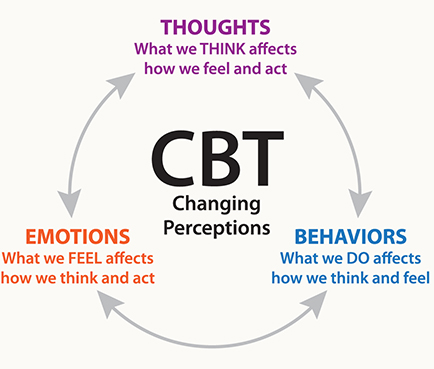
Cognitive Behavioral Therapy, commonly known as CBT, is based on a simple but powerful idea: our thoughts, feelings, and behaviors are connected.
The way we interpret an experience can influence how we feel about it and how we respond. When our thinking becomes negative, distorted, or overly critical, it can contribute to anxiety, depression, relationship difficulties, and unhealthy patterns of behavior.
CBT helps us recognize these patterns and develop healthier, more balanced ways of thinking and responding.
Thoughts, Feelings & Behaviors Are Connected
Imagine that someone you care about doesn’t return your call. You might immediately think, “They’re upset with me,” or “I must have done something wrong.” Those thoughts may create anxiety or sadness, which then influences what you do next.
But what if they were simply busy?
We often react not only to what happens, but to what we tell ourselves about what happened.
CBT helps us slow down that process, recognize automatic thoughts, and ask whether they are accurate, helpful, or based on assumptions.
Changing the Pattern
Negative thought patterns often become so familiar that we don’t even realize they are happening. We may automatically expect the worst, blame ourselves, focus on what went wrong, or assume we know what someone else is thinking.
CBT teaches us to recognize these patterns, question them, and consider healthier alternatives.
The goal isn’t to simply “think positively.” It is to learn to look at ourselves and our experiences more realistically and objectively—and then choose how we want to respond.
How Can CBT Help?
CBT can provide practical tools for recognizing and changing patterns that contribute to emotional distress. Depending on your individual needs, it may help you:
- Recognize automatic negative thoughts
- Challenge assumptions and unhealthy beliefs
- Reduce anxiety and emotional reactivity
- Develop healthier coping skills
- Change behaviors that keep you feeling stuck
- Respond to difficult situations more intentionally
CBT as Part of a Holistic Approach
I don’t believe that one therapeutic technique works for everyone. CBT is one of several approaches I may incorporate depending upon your individual needs.
We may combine CBT with mindfulness, self-compassion, EMDR, somatic practices, or other therapeutic approaches to help you understand not only what you are thinking, but how those thoughts affect your emotions, body, relationships, and behavior.
Want to Learn More?
You don’t have to remain stuck in the same patterns of thinking and reacting. Together, we can identify the thoughts and behaviors that may be holding you back and begin developing healthier ways of responding to yourself, your relationships, and the challenges in your life.