





Grief Is More Than the Death of Someone We Love
Grief is a natural response to loss, but loss comes in many forms. We may grieve the death of someone we love, the end of a marriage or relationship, the loss of a friendship, changes within our family, or a life that simply did not turn out the way we expected.
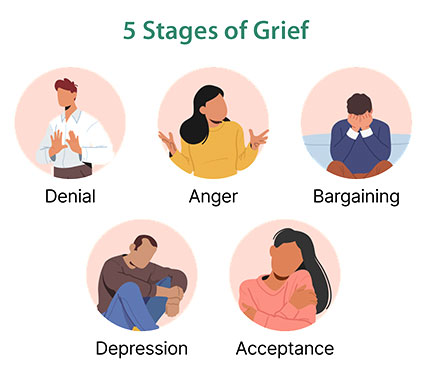
Grief can bring sadness, anger, guilt, confusion, loneliness, anxiety, or even relief. Sometimes these emotions arrive all at once. Other times they come and go unexpectedly.
There is no single “right” way to grieve and no timetable for when you should be finished.
When Someone Is Gone—but Still Here
Estrangement creates a particularly difficult kind of grief. Someone you love may still be alive, yet no longer be part of your life.
This can happen between parents and adult children, siblings, former partners, close friends, or other family members. You may find yourself grieving not only the relationship you had, but also the relationship you hoped you would someday have.
Estrangement can leave you with difficult and conflicting emotions:
- Sadness and loneliness
- Anger, rejection, or betrayal
- Guilt and self-doubt
- Relief mixed with grief
- Questions about what went wrong
- Hope that the relationship might someday change
Because there may be no funeral, ceremony, or clear ending, other people may not recognize the depth of your loss. But the grief is still real.

Learning to Let Go of the “What Ifs”
Loss often leaves us replaying the past.
“What if I had said something differently? ”
“What if I had tried harder?”
“What if they had understood me? ”
“What if we could repair the relationship?”
These questions can keep us emotionally attached to circumstances we cannot change.
Therapy provides a safe, supportive place to process the sadness, anger, confusion, and unresolved emotions surrounding a loss. Together, we can explore what belongs to you, what does not, and how to move forward without denying what the relationship meant to you.
Healing does not require forgetting someone or pretending that a painful relationship did not matter. It means learning how to carry the loss without allowing it to define the rest of your life.
How Can Therapy Help With Grief and Loss?
Everyone experiences grief differently, so counseling should reflect the needs of the individual. Depending on what you are experiencing, our work together may help you:
- Process difficult or conflicting emotions
- Work through guilt, regret, anger, or resentment
- Recognize unhealthy beliefs you may have internalized
- Establish healthy boundaries
- Find ways to honor what has been lost
- Develop greater self-compassion
- Begin moving forward with greater peace and clarity
I draw from different therapeutic approaches based on each client’s individual needs, providing a safe and nonjudgmental environment in which difficult emotions can be expressed and processed.
You Don’t Have to Grieve Alone
We are wired to heal in safe, supportive relationships. Sometimes friends and family can provide that support. At other times, grief is complicated enough that we need a place where we can speak freely without worrying about burdening someone else or being told how we “should” feel.
Whether you are grieving a death, divorce, estrangement, broken relationship, or another significant loss, counseling can provide a safe place to be heard, process what has happened, and begin finding your way forward.
Want to Talk?
If you are struggling with grief, loss, or estrangement, I can walk alongside you as you process the difficult emotions surrounding your experience and begin moving toward greater healing, acceptance, and peace.